Hyperfiksaatio: Simple Guide In Technology
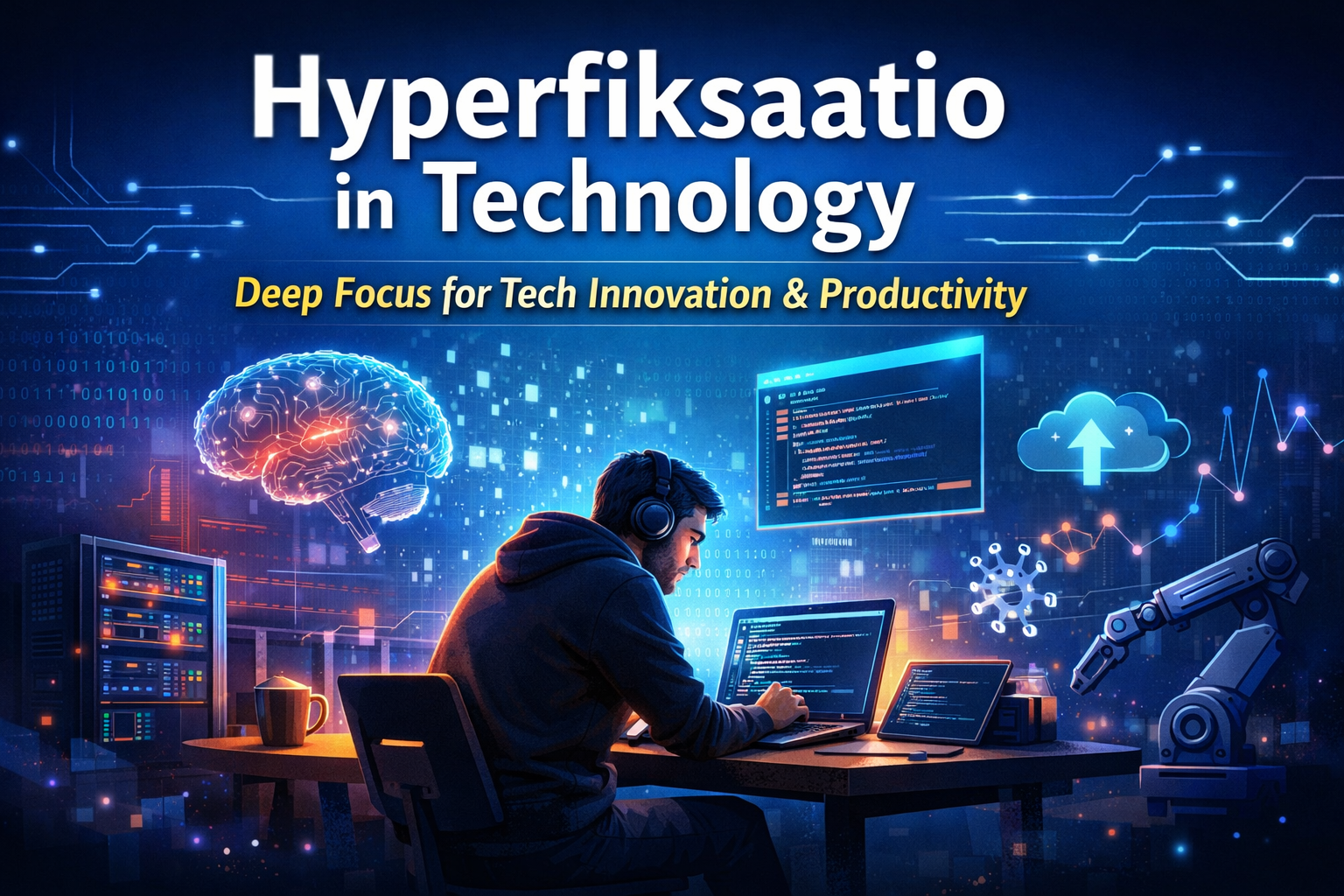
Technology work needs deep focus. Software systems are complex. Digital products grow fast. Problems are not always clear. Because of this many people in tech experience hyperfiksaatio. Hyperfiksaatio means very strong focus on one technical thing Qiser.
This focus can help innovation. It can also cause problems if not controlled. This article explains hyperfiksaatio only in a technology context. It talks about digital work tools systems and workflows.
What hyperfiksaatio means in tech
In technology hyperfiksaatio means deep and long focus on one technical topic. This topic can be code. It can be a bug. It can be a system design and It can be a metric.
Main signs of hyperfiksaatio in tech
-
Focus stays on one task for many hours
-
Time feels invisible
-
Other tasks feel unimportant
-
Stopping feels hard
-
Perfection feels required
This is not simple concentration. This is focus that takes control.
Why technology work creates hyperfiksaatio
Technology systems are deep. They are layered. Each layer leads to another layer.
Reasons tech work increases fixation
-
Software has endless depth
-
Tools give fast feedback
-
Work is often remote
-
Tasks are open ended
-
Problems feel personal
Digital tools keep attention locked in. Every fix leads to another fix.
Hyperfiksaatio in common tech roles
Hyperfiksaatio appears in many technology roles.
Software developers
Developers often fixate on
-
Debugging hard problems
-
Improving code quality
-
Learning new frameworks
-
Optimizing performance
-
Refactoring systems
Platforms like GitHub support deep technical work. Sites like Stack Overflow allow endless learning. These platforms can increase hyperfiksaatio.
Data engineers and data scientists
Data focused roles often fixate on
-
Cleaning datasets
-
Improving accuracy
-
Tuning models
-
Studying metrics
-
Rebuilding pipelines
Small improvements feel very important. Stopping feels risky.
DevOps and infrastructure engineers
Infrastructure work often creates fixation around
-
System uptime
-
Error logs
-
Alerts
-
Performance numbers
-
Automation scripts
The system never sleeps. This makes stopping difficult.
Product managers and tech founders
Product focused roles may fixate on
-
Feature ideas
-
Usage data
-
Roadmaps
-
Competitor tools
-
Technical decisions
This can delay releases.
Positive effects of hyperfiksaatio in tech
It is not bad by default. It can create strong results.
Benefits of deep technical focus
-
Fast learning
-
High quality systems
-
Strong problem solving
-
Creative solutions
-
Deep understanding
Some technical problems need long focus. Without hyperfiksaatio they stay unsolved.
Where hyperfiksaatio helps most
It works best in tasks like
-
Core system design
-
Security research
-
Performance tuning
-
Algorithm development
-
Platform engineering
These tasks reward patience and depth.
Risks of hyperfiksaatio in technology work
When hyperfiksaatio is unmanaged problems appear.
Work related risks
-
Missed deadlines
-
Scope growth
-
Poor alignment
-
Delayed delivery
-
Ignored priorities
Personal risks
-
Mental fatigue
-
Low energy
-
Reduced creativity
-
Loss of motivation
System risks
-
Over engineered systems
-
Hard to maintain code
-
Poor documentation
-
Hidden technical debt
Signs hyperfiksaatio is becoming harmful
These signs show fixation may be unhealthy.
-
Work time keeps growing
-
Task never feels finished
-
Feedback is ignored
-
Team communication drops
-
Rest is skipped
These signs mean focus needs adjustment.
Hyperfiksaatio and digital tools
Modern tech tools increase fixation.
Tools that increase deep focus
-
Code editors
-
Debuggers
-
Monitoring systems
-
Analytics dashboards
-
AI coding tools
These tools create fast reward loops.
How tool feedback creates fixation
1 Tool shows problem
2 User fixes problem
3 Tool shows new detail
4 Focus goes deeper
This loop can continue without limit.
Managing hyperfiksaatio in tech work
The goal is control not removal.
Personal control methods
-
Set fixed work time
-
Define clear stop points
-
Schedule breaks
-
Switch task types
-
Use reminders
Stopping must be planned.
Team level methods
-
Clear task goals
-
Regular check ins
-
Defined delivery rules
-
Shared ownership
-
Balanced workloads
Structure protects focus.
Informational table hyperfiksaatio triggers in tech
| Trigger type | Explanation |
|---|---|
| Complex bugs | Problems without clear cause |
| Metrics | Numbers that update in real time |
| New tools | New languages frameworks systems |
| Open tasks | Design and architecture work |
| Alerts | Constant system notifications |
Informational table outcomes of deep focus
| Outcome | Description |
|---|---|
| Healthy | Finished work stable pace |
| Unhealthy | Endless tuning fatigue |
Using hyperfiksaatio as a strength
This can become an advantage.
Ways to use it well
-
Assign deep tasks on purpose
-
Protect focus time
-
Pair with big picture thinkers
-
Measure delivery not effort
-
Reward completion
Focus needs direction.
Hyperfiksaatio and the future of tech
Technology will become more complex. Fixation will increase.
Future drivers
-
AI development tools
-
Larger systems
-
Faster release cycles
-
More abstraction
-
Higher cognitive load
Managing attention will be a key tech skill.
Frequently Asked Questions
What is hyperfiksaatio in technology?
This in technology means very deep focus on one technical task or problem. It often happens during coding debugging system design or data work.
Is it good for tech professionals?
Yes it can be good when it is controlled. It helps solve hard problems build better systems and learn faster.
Can it reduce productivity?
Yes it can reduce productivity if it lasts too long. It may cause missed deadlines fatigue or over engineering.
Which tech roles experience hyperfiksaatio most?
It is common in software developers data engineers DevOps engineers and tech founders. Any role with deep digital work can experience it.
What causes this in tech work?
This is caused by complex systems fast tool feedback open ended tasks and remote work environments.
How can developers control hyperfiksaatio?
Developers can control this by setting time limits planning breaks and defining clear stop points.
Does hyperfiksaatio help software quality?
Yes it can improve software quality when used with clear goals and delivery limits.
Is hyperfiksaatio the same as deep focus?
No it is stronger than normal deep focus. It is harder to stop and often ignores other priorities.
Can teams manage hyperfiksaatio together?
Yes teams can manage this with clear goals regular check ins and shared ownership.
Will hyperfiksaatio increase in the future?
Yes it will increase as technology becomes more complex and AI tools grow.
Conclusion
Hyperfiksaatio is common in technology work. It comes from depth speed and complexity.It can drive innovation. It can also cause burnout. The solution is not to avoid deep focus. The solution is to guide it. When structured well it helps teams build better systems. When ignored it creates long term cost. In modern tech success depends on knowing when to go deep. And knowing when to stop.
