
Electrical Safety: Practical Steps to Reduce Risks at Home and Work
Understanding Electrical Hazards
Electricity powers our homes and businesses, but if not handled with care, it presents significant risks. Common electrical hazards include overloaded circuits, damaged wiring, and water exposure, all of which can result in injuries or property damage. Staying vigilant around electrical systems is critical, especially given that most electrical accidents are preventable with simple precautions and awareness. Scheduling a home electrical safety inspection is one of the best ways to uncover hidden dangers and ensure that your system operates safely.
Overloading electrical outlets by plugging in too many devices can cause wiring to overheat, leading to fires. Damaged cords or exposed wires pose a shock and fire risk. Water and electricity are a dangerous combination; even small amounts of moisture can make electrical appliances deadly.
Regular evaluation and maintenance of electrical systems not only keeps your home or business compliant but also drastically reduces your risk of accidents. Proactive inspections can spot frayed wires, outdated components, or faulty outlets before they escalate into emergencies.
Everyone, homeowners and employers alike, should understand how their electrical systems work and recognize warning signs such as flickering lights, burnt odors, or frequently tripped breakers. Addressing these symptoms early can prevent more severe problems in the future. According to the National Fire Protection Association, electrical distribution systems are the third leading cause of home structure fires in the United States. Understanding the specifics of these dangers is the first step toward maintaining a safe environment.
Regular Inspections and Maintenance
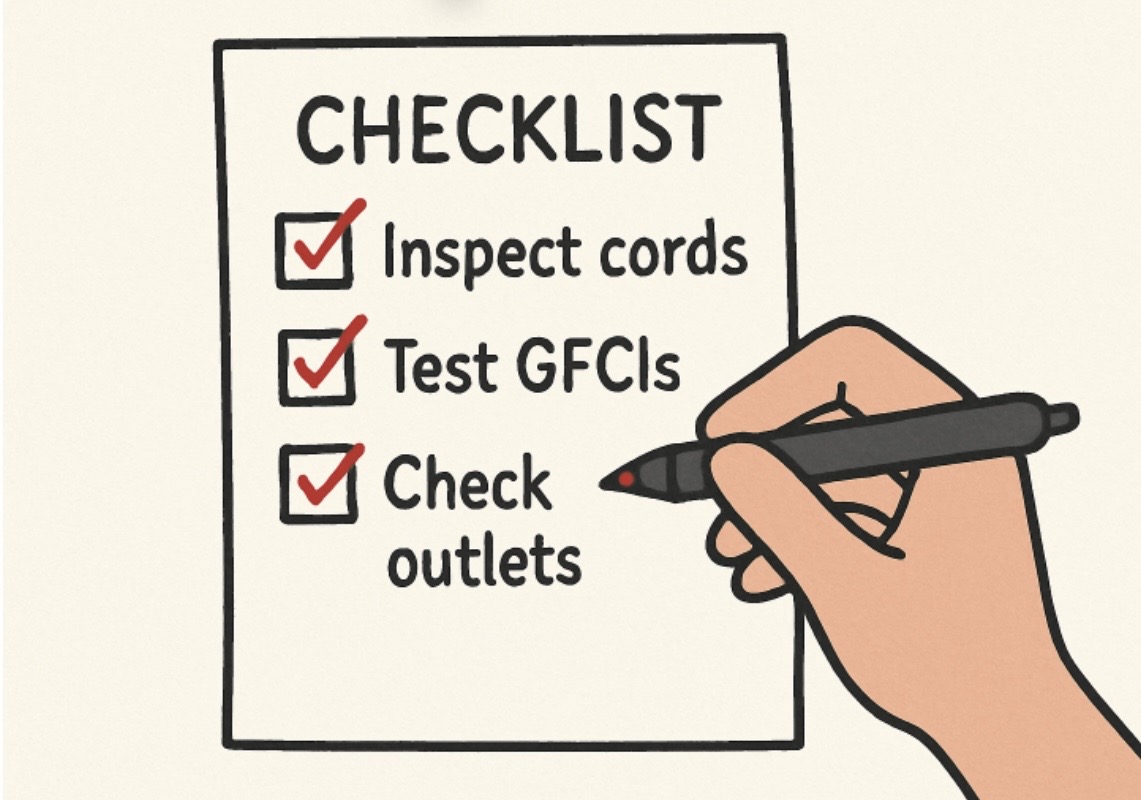
Conducting routine electrical checks is one of the most effective ways to identify and mitigate hazards. Routine maintenance should include inspecting the cord and outlet condition, ensuring there are no exposed wires, and verifying that every outlet and plug is intact. Test safety devices, such as circuit breakers and GFCIs, monthly to make sure they are working properly. These devices often serve as your first defense against electric shock or fire.
Another key step is cleaning exhaust fans in kitchens and bathrooms. Dust and lint buildup can restrict airflow, leading to overheating and even electrical fires. Simple efforts like these go a long way and can save money on repairs and energy costs. The Consumer Product Safety Commission provides additional advice on how to spot and prevent electrical hazards in the home.
Develop a checklist for quarterly or annual assessments to ensure all safety features remain in working order. If you are unsure or notice anything unusual, seek help from a licensed electrician, as tampering with electrical systems without the proper expertise can result in severe accidents.
Personal Protective Equipment (PPE)
Whether you are a professional electrician or a DIY enthusiast, using personal protective equipment can help prevent electric shocks and more serious injuries. Always wear insulated gloves and use tools rated for electrical work, even during simple repairs.
Flame-resistant clothing can limit injury in the event of an electrical arc, while safety glasses protect your eyes from sparks and flying debris. Proper footwear that insulates and grounds you should also be considered essential, particularly in damp areas or where water exposure is possible.
Implementing Safety Devices
Safety devices add an extra layer of protection to your property and loved ones. Ground Fault Circuit Interrupters (GFCIs) shut off power immediately upon detecting a ground fault, which can prevent lethal electric shock, especially in areas with water presence, such as bathrooms, kitchens, and outdoor outlets. Surge protectors safeguard valuable electronics from voltage spikes, significantly reducing fire risk and preventing device damage.
Modern homes and commercial properties should also consider installing Arc Fault Circuit Interrupters (AFCIs). These are designed to prevent fires by detecting arc faults, an unintentional electrical discharge that can trigger combustion.
Safe Appliance Use
Practicing safe appliance use can further prevent electrical hazards. Unplug devices when they are not in use to prevent overheating and reduce energy consumption. Always use appliances according to the manufacturer’s instructions and keep them away from water sources to avoid shocks.
Check that light fixtures use bulbs with the correct wattage. Using bulbs with too high a wattage can cause excess heat and potentially start a fire. Avoid running extension cords under carpets or behind furniture, as this can damage the cords and make them harder to spot.
Workplace Electrical Safety
Employers play a crucial role in ensuring a safe workplace. All team members should have comprehensive training on recognizing and responding to electrical hazards. Regular refresher courses keep employees aware of any updates in safety standards or equipment.
Clearly mark high-voltage areas and ensure that signage is up to date and easy to understand. Establish emergency response procedures and conduct regular drills so all staff know what to do in the event of an electrical incident. According to OSHA, most serious injuries occur due to a lack of training or not following established safety protocols. For further details on workplace standards, the Occupational Safety and Health Administration resources are valuable.
Childproofing Electrical Systems
Children are naturally curious, so proactive childproofing is essential for every household. Fit tamper-resistant outlets to prevent children from inserting objects into sockets. Secure cords behind furniture or use covers to keep them out of reach and discourage tugging or chewing.
Education is equally important to teach children that electricity can be dangerous and instruct them on what to avoid. Reinforce these lessons regularly, especially for younger children or those who might be particularly curious.
Conclusion
Electrical safety is not just about compliance. It is a continuous commitment to protecting your family, employees, and property. Through regular maintenance, proper use of protective gear, installation of safety devices, and vigilant safety practices, you can significantly reduce the risks associated with electricity. Stay proactive and consult professionals when needed, ensuring that safe practices are always part of your daily routine.
