
Breathe Easy Again: A Simple Guide to Treating Sinus Problems
Constant sinus pressure, congestion, or headaches can quietly drain your energy and affect your daily routine. Many people brush off sinus problems as seasonal or temporary, only to deal with recurring discomfort year after year. Breathing should feel effortless, yet sinus issues can make even simple tasks feel frustrating. While medications and home remedies help some people, others continue to struggle without understanding the root cause of their symptoms.
This article breaks down the most common causes of sinus issues and explores practical treatment options so you can breathe easier and regain comfort.
Common Sinus Problems and Their Symptoms
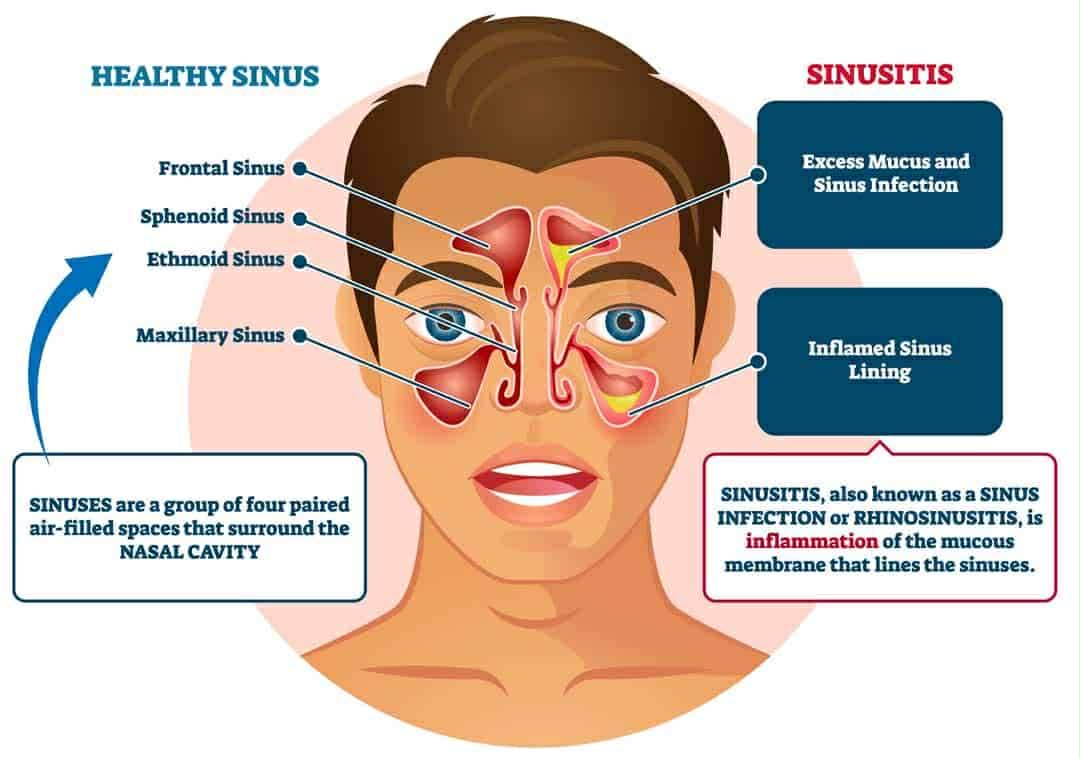
Sinus problems often start with mild discomfort but can grow into persistent issues that affect daily life. The sinuses are air-filled spaces around the nose and eyes that help regulate airflow and mucus drainage. When they become inflamed or blocked, symptoms quickly follow. Common signs include nasal congestion, facial pressure, headaches, postnasal drip, and difficulty breathing through the nose. Some people also notice reduced smell, fatigue, or pressure behind the eyes. Recognizing patterns, such as recurring congestion or pressure that never fully clears, helps identify whether the problem is temporary or chronic.
When Rhinoplasty Can Help Treat Sinus Issues
In some cases, sinus problems stem from structural issues inside the nose rather than infections or allergies. A deviated septum, which occurs when the nasal wall shifts to one side, can restrict airflow and prevent proper sinus drainage. This blockage may lead to frequent congestion, pressure, and repeated sinus infections. Rhinoplasty can correct these structural concerns and improve breathing when anatomy plays a role in the problem. That said, surgery does not suit every sinus condition. It remains essential to consult a qualified specialist at a top facility like Brobst Facial Plastic Surgery, who can evaluate whether rhinoplasty will truly address the underlying issue. A thorough assessment at a trusted facility helps patients understand their options and avoid unnecessary procedures.
The Role of Allergies in Ongoing Sinus Discomfort
Allergies rank among the most common causes of sinus inflammation. Pollen, dust mites, pet dander, and mold often trigger reactions that cause the nasal passages to swell. This swelling restricts airflow and traps mucus inside the sinuses, which leads to pressure and congestion. Unlike infections, allergy-related sinus problems may last for months and worsen during specific seasons. Many people treat symptoms without addressing the trigger, which allows inflammation to continue. Identifying allergens and managing exposure often plays a major role in long-term sinus relief. When allergies stay uncontrolled, they may increase the risk of infections and chronic sinus conditions.
How Infections Lead to Sinus Inflammation
Sinus infections develop when mucus becomes trapped and creates an environment for bacteria or viruses to grow. Colds often serve as the starting point, since nasal swelling blocks drainage. Viral infections usually resolve on their own, but bacterial infections may persist and require medical treatment. Symptoms such as thick nasal discharge, facial pain, fever, and pressure that lasts longer than ten days often point to infection. Repeated infections can damage sinus tissue and lead to chronic inflammation. Early treatment and proper diagnosis help reduce complications and prevent recurring issues that become harder to manage over time.
Simple Home Remedies That Support Sinus Relief
Many people find relief through consistent home care, especially during mild or early symptoms. Saline nasal rinses help flush out mucus and allergens while keeping nasal passages moist. Steam inhalation may reduce congestion and ease pressure when used safely. Staying hydrated thins mucus, which supports better drainage. Maintaining clean indoor air and using a humidifier during dry seasons can also reduce irritation. While these methods do not cure underlying structural or chronic conditions, they often provide meaningful relief and support other treatments.
Lifestyle Habits That Can Reduce Sinus Flare-Ups
Daily habits strongly influence sinus health. Poor sleep posture, dehydration, and prolonged exposure to dry or polluted air can all trigger congestion. Sleeping with the head slightly elevated supports natural drainage and may reduce morning pressure. Drinking enough water throughout the day helps keep mucus thin and mobile. Regularly cleaning living spaces limits dust and allergens that irritate the sinuses. Smoking and secondhand smoke often worsen inflammation, making symptoms harder to control. Small adjustments to routine may not seem significant, but over time, they reduce flare-ups and support consistent breathing comfort.
Preventing Future Sinus Issues Before They Start
Prevention focuses on reducing inflammation before it becomes a problem. Managing allergies through avoidance strategies and appropriate treatment lowers the risk of sinus blockage. Maintaining nasal hygiene with saline rinses helps remove irritants before they trigger swelling. Regular handwashing and illness prevention reduce infections that commonly lead to sinus trouble. Staying mindful of environmental factors, such as dry indoor air or seasonal pollen spikes, allows for early adjustments. Preventive care shifts sinus management from reaction to control, which helps maintain long-term comfort.
Living with ongoing sinus problems can quietly shape how you plan your days, rest at night, and feel in your own body. Relief often comes from taking symptoms seriously and responding with intention rather than frustration. By paying attention to patterns, making supportive lifestyle changes, and seeking professional input when needed, people gain more control over their breathing and comfort. Sinus care works best when it becomes part of overall wellness, not a last resort. With informed choices and timely support, breathing freely can feel natural again instead of hard-won.
