
Innovative Trends in Commercial Roofing Services
Commercial roofing services are at the forefront of innovation, constantly adapting to the latest technologies and sustainability demands. For business owners and facility managers, understanding these trends is crucial for making informed decisions that protect both their investments and the environment. Modern advancements such as innovative technologies, eco-friendly materials, and cutting-edge maintenance solutions are reshaping how commercial roofs are designed, installed, and maintained. Learn how these new practices can significantly enhance the value, performance, and lifespan of your property’s roofing system while supporting broader environmental and operational goals. For businesses seeking to optimize their roofing investment, exploring providers like https://www.deltaservices.com/ can provide direct access to the latest industry solutions.
Keeping pace with evolving roofing trends ensures your building stays protected against harsh climates while maintaining energy efficiency and reducing overhead costs. Many facility managers are now focused not just on short-term repairs but also on deploying long-term strategies, such as integrating innovative monitoring systems and sustainable materials. These upgrades are not only crucial for durability but also for meeting stricter building codes and environmental standards. By aligning with these innovations, commercial properties can maintain value and efficiency in an ever-changing economic and regulatory landscape.
Smart Roofing Technology and IoT Integration
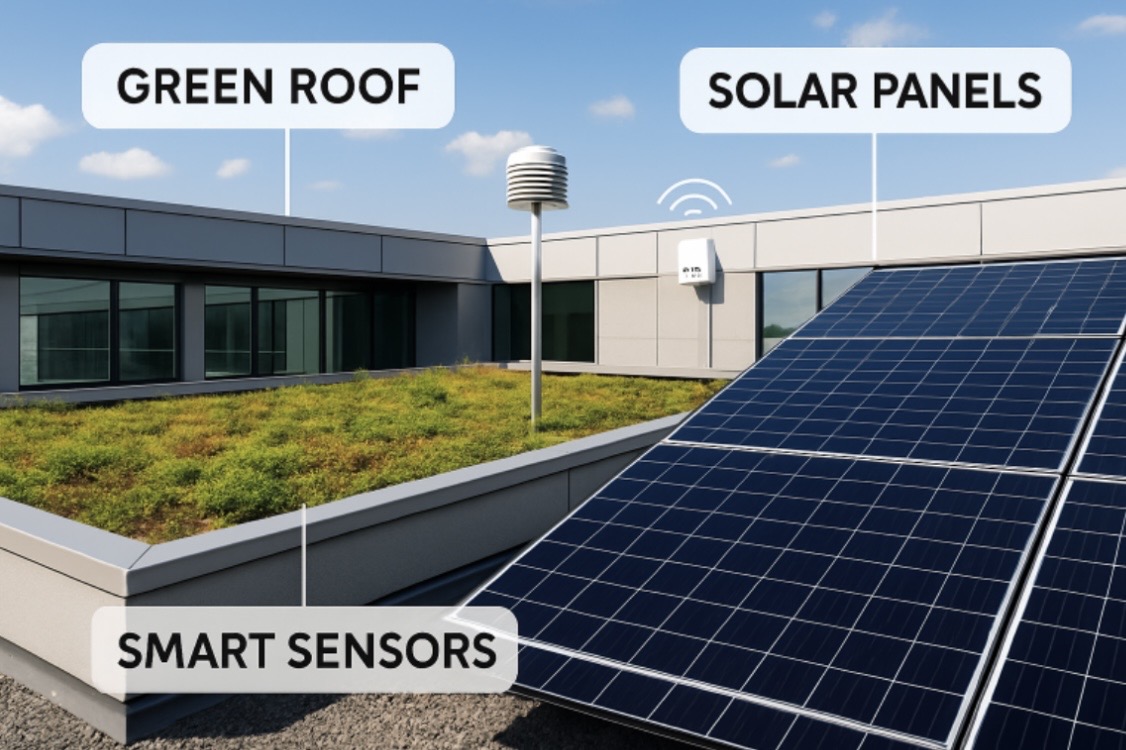
Roofing systems equipped with smart technology are becoming the new norm in commercial construction. The integration of IoT sensors provides continuous data on moisture content, temperature changes, and leak detection, enabling facility teams to take a proactive approach to maintenance. When potential issues are identified early, costly structural repairs and unexpected roof failures can be avoided, ensuring less disruption to daily business operations. These real-time data systems not only extend the lifespan of roofs but also reduce unnecessary maintenance costs, making them a valuable addition for forward-thinking property owners.
Sustainable and Eco-Friendly Materials
The move towards greener building solutions is strongly reflected in the adoption of sustainable roofing materials. Options such as recycled metal panels, reflective membranes, and vegetative (green) roofs are becoming more popular thanks to their energy-saving and environmental benefits. Cool roofing technologies, for example, reflect more sunlight and produce less heat than standard roofs, reducing the need for building air conditioning and creating a more comfortable indoor environment. Sustainable materials not only help reduce energy consumption but may also qualify building owners for local or federal incentives to further offset costs.
Additionally, educated choices about materials and designs are part of a broader effort to lower carbon footprints in commercial construction. These practices help businesses meet strict innovative environmental regulations and demonstrate a commitment to corporate responsibility, thereby improving a company’s public image and stakeholder appeal. Facilities using green roofing materials can also benefit from enhanced property values and improved long-term operational savings.
Advanced Roof Coatings for Weather Resistance
With climate change contributing to more frequent and severe weather events, commercial roofing must stand up to the challenge. Innovative roof coatings, such as elastomeric, silicone, and acrylic formulations, are increasingly used to provide an extra layer of defense against water intrusion, UV rays, and temperature swings. These coatings can extend the performance life of existing roofs and improve their ability to withstand storms, winds, and extreme heat. The result is not only a more robust and reliable roofing solution but also one that reduces the risk of disruption from weather-related damage. For a comprehensive review of how weather patterns are influencing construction practices, visit Architectural Digest.
Integration of Solar Panels
Another significant trend is the incorporation of solar energy generation directly into roofing systems. As utility costs rise and sustainability targets become more ambitious, businesses increasingly seek to leverage large rooftop spaces for photovoltaic panels. Roofing designs that are “solar-ready” simplify the installation of these systems and allow building owners to capitalize on energy savings, potential tax credits, and renewable energy incentives. The synergy between solar panels and cool roofs can create a high-performance solution that dramatically lowers a company’s carbon footprint and operating expenses.
Preventive Maintenance Programs
In today’s marketplace, proactive maintenance has become the gold standard for commercial roofing care. Scheduled inspections and regular maintenance activities help facility managers identify minor issues before they escalate into major problems. These programs, when run by qualified professionals, can extend roof life, preserve warranty coverage, and ensure uninterrupted building function. Proactive care not only protects the roofing investment but also supports safer, healthier indoor environments for tenants and employees. To learn more about preventive facility maintenance, review guidance from the Building Design + Construction Network.
Data-Driven Decision Making
Utilizing analytics and management software is transforming how companies govern their roofing assets. Advanced digital platforms allow for centralized monitoring of roof conditions, facilitate predictive maintenance, and support data-driven budgeting. By tracking variables such as weather impacts, repair history, and energy consumption, facility managers can make strategic decisions that improve longevity and performance. This evidence-based approach not only prevents unexpected failures but also delivers meaningful cost reductions throughout the building life cycle.
Conclusion
Today’s commercial roofing industry is characterized by rapid innovation, with new technologies and sustainability practices leading the way. Smart sensors, environmentally friendly materials, high-performance coatings, solar integration, and digital analytics represent just some of the advancements redefining modern roofing. By staying informed and partnering with knowledgeable providers, business owners and facility managers can ensure their roofing investments deliver lasting value, operational efficiency, and environmental responsibility.
