
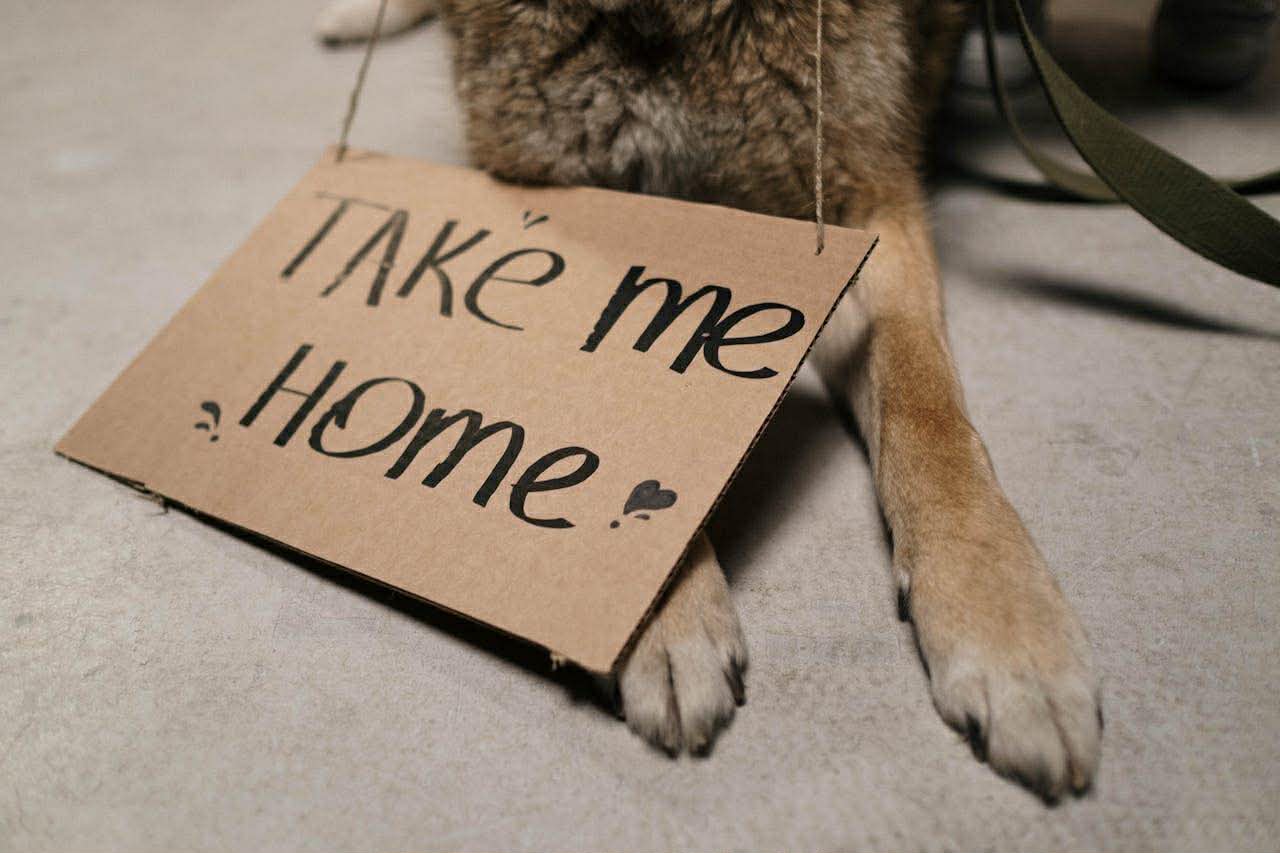
11 Ways to Create a Pet-Friendly Home
Your home should feel safe and comfortable for every member of your family, including the ones with four legs. Making small adjustments can prevent accidents, reduce stress, and give your pets the freedom to explore without worry.
Most of these changes are simple tweaks that fit into your daily routine and make life easier for both you and your pets.
Choose Washable Fabrics for Furniture
Pets shed, drool, and track dirt onto furniture. Choosing washable slipcovers or durable fabrics like microfiber can save you from constant stress. Look for materials that resist stains and hold up to claws.
Secure Loose Cords That Look Like Chew Toys
Electrical cords can be tempting for curious pets, especially puppies and kittens. Tuck them behind furniture or use cord covers to keep them out of sight. If you have a persistent chewer, consider applying a pet-safe bitter spray to discourage nibbling.
Designate a Mud-Free Zone for Wet Paws
A spot near the door where you can wipe paws or remove leashes keeps dirt from spreading. Keep towels, a small mat, and grooming wipes handy. For professional care and maintenance, services like dog grooming in Weston, FL, help keep your pet’s coat clean and healthy between at-home cleanups.
Woof Gang Bakery & Grooming offers grooming that fits into your schedule and helps reduce the mess pets bring indoors.
Install Ramps for Senior Pets near Beds and Couches
A ramp or set of pet stairs gives older pets access to their favorite spots without strain. This reduces the risk of injury and keeps them mobile longer. Even younger pets with joint issues benefit from having a gentler way to climb.
Keep Medications in High Cabinets
Pets are surprisingly good at opening drawers and cabinets. Store all medications, vitamins, and supplements in high, secure places. Even over-the-counter pain relievers can be toxic to animals. A locked cabinet or a high shelf is the safest option.
Use Baby Gates to Block Unsafe Areas
Baby gates aren’t just for babies. They work well to keep pets out of rooms with hazards like open staircases, kitchens during meal prep, or spaces with delicate items. Choose sturdy gates that your pet can’t jump over or knock down.
Hide Trash Bins behind Latching Doors
Trash is full of dangerous temptations, from spoiled food to sharp objects. Keep bins in a cabinet with a child-proof latch or in a pantry your pet can’t access. This prevents scavenging and the vet visits that sometimes follow.
Choose Rugs That Withstand Claws and Accidents
Indoor-outdoor rugs or those made from durable synthetic fibers handle wear better than delicate materials. They’re easier to clean and less likely to hold odors. Opt for darker colors or patterns that hide stains between deep cleans.
Keep Food Bowls Away from High-Traffic Areas
Pets eat better when they’re not constantly interrupted. Place food and water bowls in a quiet spot where they won’t be stepped over or bumped. This reduces anxiety during meals and keeps spills to a minimum.
Store Cleaning Supplies in Pet-Proof Containers
Many household cleaners are toxic to pets. Store them in high cabinets or use childproof locks on lower storage areas. Always rinse surfaces thoroughly after cleaning, especially if your pet likes to lick floors or countertops.
Add Nightlights for Pets Who Wander in the Dark
Pets with poor vision or those who roam at night benefit from nightlights in hallways and near their water bowls. This prevents them from bumping into furniture or getting disoriented. A few small lights make nighttime safer for everyone.
Conclusion
Creating a pet‑friendly home is really about designing a space where your pets can explore, rest, and play safely while keeping your household running smoothly. Small adjustments—like securing cords, choosing durable fabrics, installing ramps, and storing hazardous items out of reach—go a long way in preventing accidents and reducing stress for both you and your pets. Thoughtful touches such as nightlights, quiet feeding areas, and a designated mud‑free zone help your home function better day‑to‑day. When you combine safety, comfort, and practicality, you build an environment where your pets feel secure and truly part of the family.
